

Online Via Zoom
PLENARY & KEYNOTE SPEAKER
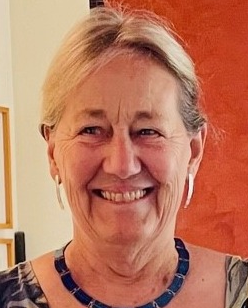
Plenary 1
Prof. Judith L. Gibbons
(Saint Louis University, USA)
Indigenous Knowledge from Latin America:
Challenges the developmental psychology of the Global North
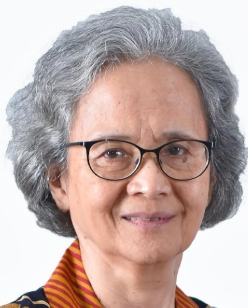
Keynote
Dr. Nani Nurrachman Sutojo
(UNIKA Atma Jaya Jakarta, Indonesia)
Constructing Indonesian Indigenous Psychologies:
Apsycho-cultural and historical approach in
decolonizing mainstream psychology
decolonizing mainstream psychology
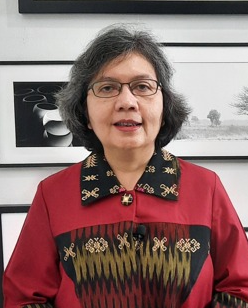
Plenary 2
Prof. Dr. Phil. Hana Rochani G. Panggabean
(UNIKA Atma Jaya Jakarta, Indonesia)
Environmental Sustainability Through
the Psychocultural Lens:
the Psychocultural Lens:
When culture meets nature
MODERATORS

Dr. Rachel Ting Sing Kiat
(Monash University Malaysia, Malaysia)
(Fuller Graduate School of Psychology, USA)
Indigenous Knowledge from Latin America:
Challenging the psychology of the global north
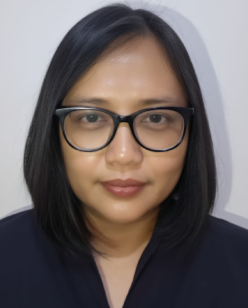
Stefani Haning Swarati Nugroho Ph.D
(UNIKA Atma Jaya Jakarta, Indonesia)
Constructing Indonesian Indigenous Psychologies:
Apsycho-cultural and historical approach in
decolonizing mainstream psychology
decolonizing mainstream psychology
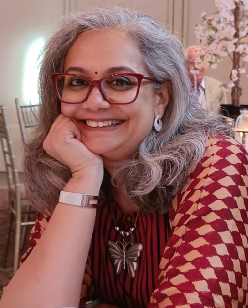
Dr. Rachana Bhangaokar
(The M.S. University of Baroda, India)
Environmental Sustainability Through
the Psychocultural Lens:
the Psychocultural Lens:
When culture meets nature
The 5th Southeast Asian Indigenous Psychology Conference (SEAIP 2025)
“Sustainable Culture, Sustainable Future: Indigenous Psychology’s Role in Achieving the SDGs in Southeast Asia”
12-13 December 2025, Online
“Sustainable Culture, Sustainable Future: Indigenous Psychology’s Role in Achieving the SDGs in Southeast Asia”
12-13 December 2025, Online
OBJECTIVES
1
Showcase Research: Highlight Indigenous psychological practices contributing to SDGs in Southeast Asia.
2
Integrate Indigenous Knowledge: Explore methodologies for embedding local wisdom into sustainability frameworks.
3
Empower Early-Career Researchers: Provide platforms for emerging scholars to present work on Indigenous resilience and community well-being.
4
Foster Policy Dialogue: Connect research to actionable policies for sustainable development.
5
Strengthen Collaborations: Expand multidisciplinary networks across academia, NGOs, and Indigenous communities.
THEME
“Sustainable Culture, Sustainable Future: Indigenous Psychology’s Role in Achieving the SDGs in Southeast Asia”
BACKGROUND
The Southeast Asian Indigenous Psychology Conference (SEAIP) emerged in 2021 as an annual forum to advance culturally grounded psychological research. Key milestones include:
1. SEAIP 2021 - 2022
- SEAIP 2021: Hosted virtually by Monash University Malaysia’s Culture and Health Lab (December 4–5), this inaugural conference focused on empowering local psychologists to conduct culturally relevant research and amplify underrepresented voices. Featuring keynote speakers Dr. Louise Sundararajan and Dr. Rogelia Pe-Pua, it attracted 97 participants from 16 countries, yielded 16 research presentations, and awarded three Best Paper Awards. Four research clusters were formed, with seed grants funded by the Asian Association of Social Psychology (AASP).
- SEAIP 2022: Held virtually on December 3, the theme “Translating Research into Mental Health Interventions with Indigenous Communities” emphasized bridging research and practice. Keynote speaker Prof. Laurence J. Kirmayer (McGill University) highlighted community-centric mental health strategies, reinforcing the conference’s commitment to equitable global psychology.
2. SEAIP 2023 - 2024
- SEAIP 2023: Hosted hybrid by Universitas Hasanuddin, Indonesia, the conference expanded to 400+ participants and integrated SDG 11 (Sustainable Communities) into its programming. Keynote speaker Prof. Pat Dudgeon (University of Western Australia) presented on "Practices and Research of Decolonial Psychology in the Study of Indigenous Resilience".
- SEAIP 2024: Organized in hybrid format by the University of the Philippines Baguio, SEAIP 2024 emphasized constructing Indigenous psychology identities through multidisciplinary collaboration. The keynote speaker was Dr. Grace H. Aguiling-Dalisay (University of the Philippines Diliman), who addressed the future of Indigenous psychologies and the potential for East-West collaboration in building a decentralized global psychology. The conference featured two seed-grants funded by the Asian Association of Social Psychology (AASP), each worth USD 2,500. SEAIP 2024 attracted 416 registrants from 20 countries and hosted 38 paper presentations across seven moderated panels.
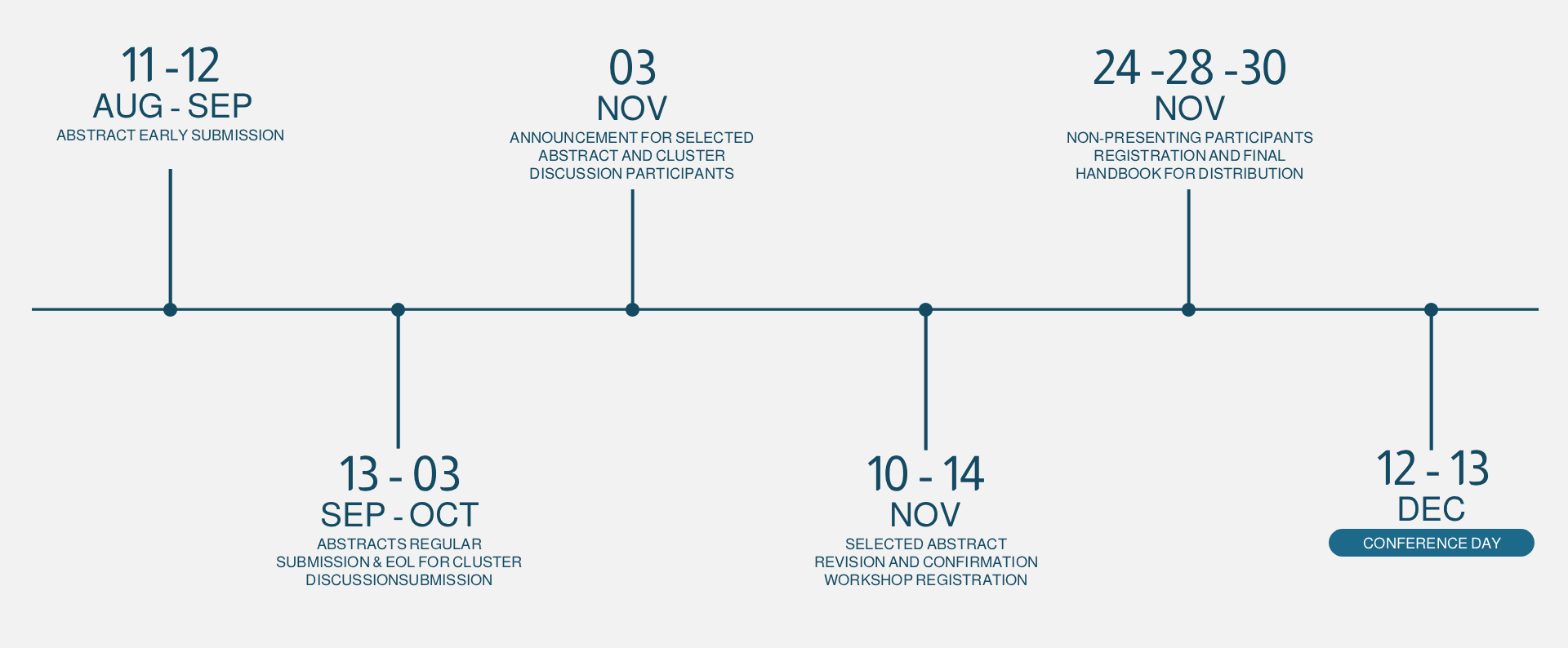
IMPORTANT DATE
DETAILED SCHEDULE
Day 1: Friday, 12 December 2025
| Time (GMT+7) | Session |
|---|---|
| 08:30 - 09:00 | Opening Ceremony |
| 09:00–10:00 | Keynote Speech: Prof. Dr. Nani Nurrachman Sutojo “Constructing Indonesian Indigenous Psychologies: A psycho-cultural and historical approach in decolonizing mainstream psychology” |
| 10:00–10:30 | Q&A with Keynote Speaker |
| 10:30–10:45 | Break |
| 10:45–11:45 | Plenary Session I: Prof. Dr. Phil. Hana Rochani G. Panggabean “Environmental Sustainability through the Psychocultural Lens: When Culture meets Nature.” |
| 11:45–12:15 | Q&A with Plenary Speaker |
| 12:15–13:00 | Lunch Break |
| 13:00-13:30 | Seed Grant Presentation 1, “Developing and Advancing Culturally-centred LGBTQ+ Research Agendas in Southeast Asia” |
| 13:30-14:00 | Seed Grant Presentation 2, “Reflections and Recommendations for Integrating Southeast Asian Indigenous Psychology Concepts into Undergraduate Psychology Education in Malaysia and the Philippines” |
| 14:00–15:30 | Parallel Research Presentations (non-student presenters): Parallel Session A: Indigenous Knowledge, Decolonization, and Cultural Identity Parallel Session B: Climate Change, Disaster Resilience, and Environmental Justice Parallel Session C: Social Psychology, Well-being, and Contemporary Challenges Parallel Session D: Indigenous Healing, Well-being, and Community-Based Mental Health Parallel Session E: Indigenous Knowledge, Aging, and Sustainable Livelihoods |
| 15:30–16:00 | Break |
| 16:00–17:00 | Networking Sessions: Parallel Cluster Discussions Cluster 1: Research Collaboration on Indigenous Psychology in Southeast Asia Cluster 2: Education and Training Collaboration on Indigenous Psychology Cluster 3: Translating Indigenous Psychology Research to Community Engagement and Practice |
| 17:00–17:30 | Summary for Day 1 |
Day 2: Saturday, 13 December 2025
| Time (GMT+7) | Session |
|---|---|
| 08:30–9:30 | Plenary Session II: Prof. (emer) Judith L. Gibbons (Saint Louis University, USA) “Indigenous knowledge from Latin America: Challenging the psychology of the global north” |
| 9:30–10:00 | Q&A with Plenary Speaker |
| 10:00–10:30 | Break |
| 10:30–12:15 | Parallel Research Presentations (student presenters) Session 1: Session 1A: Trauma, Violence, and Cultural Healing Session 1B: Family Dynamics and Intergenerational Relationships Session 1C: Psychosocial Challenges and Supports in Diverse Contexts |
| 12:00–13:00 | Lunch Break |
| 13:00-14:30 | Parallel Research Presentations (student presenters) Session 2: Session 2A: Indigenous Psychology Interventions and Wellbeing Session 2B: Identity, Relationships, and Environmental Psychology |
| 14:30–15:30 | Networking Sessions: Parallel Cluster Discussions Cluster 1: Research Collaboration on Indigenous Psychology in Southeast Asia Cluster 2: Education and Training Collaboration on Indigenous Psychology Cluster 3: Translating Indigenous Psychology Research to Community Engagement and Practice |
| 15:30–16:15 | Networking Sessions: Clusters Presentations |
| 16:15–17:00 | Closing Ceremony |
CLUSTER NETWORKING SESSION
CLUSTER TOPICS
Research Collaboration on Indigeneous
Psychology in Southeast Asia
Psychology in Southeast Asia
Education or Training Collaboration on
Indigeneous Psychology in Southeast Asia
Indigeneous Psychology in Southeast Asia
Translating Indigeneous Psychology Research
to Community Engagement and Practices
to Community Engagement and Practices
Participants in this session will be screened based on Curriculum Vitae with the following criteria:
- At least a postgraduate degree in Psychology or Social Science background.
- Research interest in Southeast Asian regions or populations.
- Are currently/recently active in indigeneous relevant research.
- Interest in learning more about indigeneous psychology to be a part of the indigeneous psychology movement and community.
- Degree of fluency in English (this conference will be conducted mainly in english)
CALL FOR ABSTRACTS
TOPIC AREAS
- Indigenous knowledge or way of knowing in Southeast Asia (e.g. Indigenous models of mental health and well-being).
- Indigenous psychology research methods in Southeast Asia.
- Indigenous psychology intervention with Southeast Asia communities (e.g. Migrants or Refugees).
- Reflexivity on being a non-Indigenous (cultural outsider) in working with the Southeast Asia Indigenous communities (cultural insiders) on research and training.
- Contributing Indigenous psychologies knowledge from Southeast Asia to local and/or global context (e.g. political psychology, cultural psychology).
- Applying Indigenous psychologies to education program or curriculum.
ABSTRACT GUIDELINES
- Abstracts must be submitted in English.
- Abstracts should not exceed 500 words excluding the title (max. 18 words), author(s)’s name(s) and keyword(s) (max. 6 words). No references to be cited in the abstract.
- The topic of the abstract has to be highly relevant to the six topic areas listed above or on the website.
- Both empirical papers (either quantitative, qualitative, or mixed-method) and theoretical papers are welcome.
- One person can only submit ONE abstract.
- Abstract to be submitted by the first-author only.
- Please specify the primary presenter in the abstract (can be presented by other co-authors in the team).
- Please ensure permission from all co-authors before submission.